
Backflow Prevention Testing & Certification
Backflow testing is the compliance item buildings forget about until a notice arrives. It is also one of the easiest to stay ahead of.
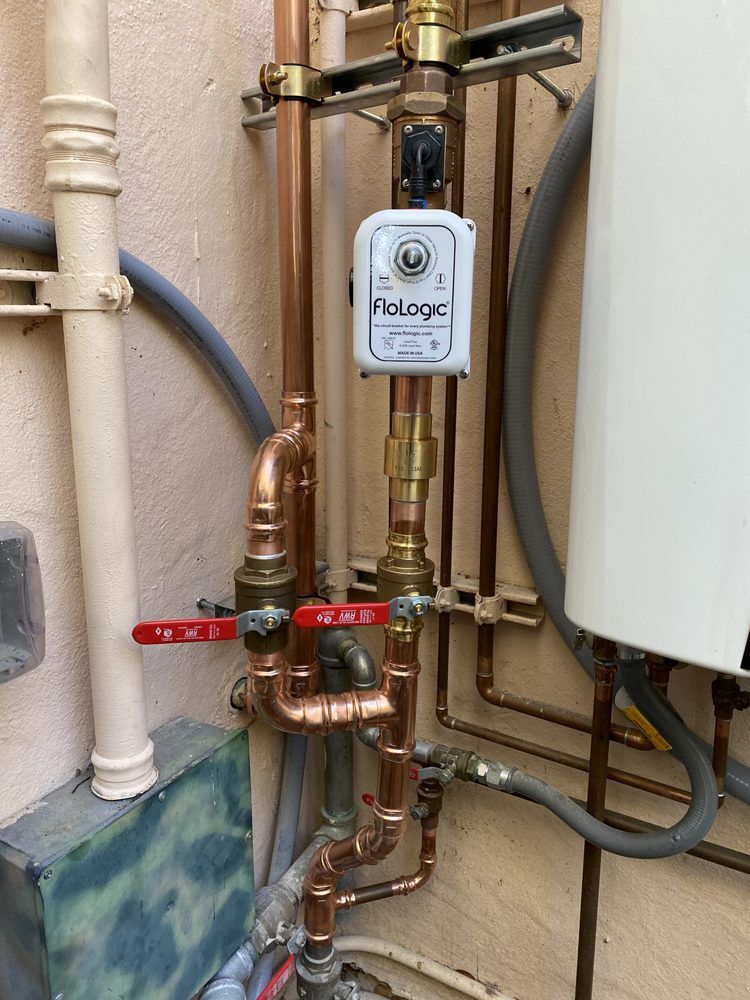
A backflow prevention device stops water from reversing direction and drawing contaminants back into the public supply. Buildings with boilers, cooling towers, irrigation, fire lines, or certain commercial equipment typically have one or more installed, and testing them periodically by a certified tester is generally required, with results filed with the relevant authority.
Two things are worth being direct about. First, this work requires a specific backflow tester certification on top of plumbing licensure — it is entirely reasonable to ask any provider, including us, to confirm current certification before booking. Second, the requirements, deadlines, and filing procedures are set by the city and state, not by us. We test, repair, and prepare the paperwork; you should confirm your building's specific obligations and deadlines with the relevant agency, because these do change.
In practice most devices that fail do so on worn internal components — rubber seats, springs, check assemblies — and can be rebuilt rather than replaced. A failure is usually a repair, not a capital expense.
When this is likely the issue
What is and isn't included
Included
- Testing of each backflow device by a certified tester
- Completed test report prepared for filing
- Rebuild or repair of a failed device where it is serviceable
- Replacement of a device that cannot be rebuilt
- Re-test after any repair to confirm it passes
- A schedule of your devices and when each is next due
Quoted separately
- Agency filing fees, permit fees, and any late penalties
- The replacement device itself where a rebuild isn't possible
- Freeze damage repair to exposed devices and adjacent piping
- Enclosures, insulation, or protective cages
- Irrigation or fire system work beyond the device
- Representing you in any enforcement or violation proceeding
What drives the number
We quote after diagnosis, not before. These are the factors that move the number most on this service:
- DEVICESHow many devices on the property, and their size and type.
- ACCESSWhether devices are readily reachable or in confined mechanical spaces.
- CONDITIONWhether testing is likely to turn into a rebuild on older assemblies.
- SCHEDULINGWhether water can be shut down during business hours or must be off-hours.
- VOLUMEMultiple devices at one property are usually priced at a lower per-unit rate.
Scope & compliance
Testing must be performed by a holder of a current backflow prevention device tester certification — separate from plumbing licensure. Ask us for ours when you book, and ask any other provider the same. Filing requirements and deadlines are set by the relevant city and state agencies and do change; confirm your building's specific obligations with them rather than relying on any contractor's summary, including ours.
Related
What the work involves
Inventory the devices
Buildings routinely have more devices than anyone on site knows about. We find them all first.
Test and document
A certified tester runs each device and prepares the report for filing.
Rebuild what fails
Most failures are internal components. You get the price before we proceed.
Re-test and hand over
We confirm the pass, provide documentation, and give you the next-due schedule.
Frequently asked
How often does testing need to be done?
Annually is the common requirement for most devices, though specifics depend on the device type, the hazard classification, and the authority having jurisdiction. Because these rules change, confirm your building's exact obligation and deadline with the relevant agency — we'll test and file, but we're not the authority on what your property is required to do.
Who is allowed to perform the test?
Someone holding a current backflow prevention device tester certification, using calibrated equipment. Standard plumbing licensure alone doesn't cover it. It is a completely reasonable question to ask any provider before booking, and we'd rather you asked.
What happens if a device fails?
Most failures are worn rubber seats, springs, or check assemblies, and the device can be rebuilt rather than replaced. We quote the rebuild, do the work, and re-test to confirm a pass — you're not paying twice to prove the repair worked. Full replacement is only necessary when the body itself is damaged or the unit is obsolete.
Why is water constantly running from our device?
Continuous discharge from the relief valve usually means the device has failed internally and is doing exactly what it's designed to do — dumping rather than permitting backflow. It needs testing and almost certainly a rebuild. It's also wasting water continuously, so it's worth addressing before the next scheduled test.
Can you handle the filing for us?
We prepare the completed test reports in the form the agency expects and provide them to you. Building management or ownership is typically the filing party of record. We'll tell you plainly what we're providing and what remains yours to submit, so nothing falls between us.
Ready to have this looked at?
Call and describe what's happening. You'll get an honest read before anyone is dispatched.